
Photo: Pexels
How to Patch Small Drywall Holes: A Killeen Homeowner's Guide
Patching small drywall holes before a move-out inspection or for general upkeep takes about 45 minutes and costs under $20 in supplies.
Quick Answer
Fix small holes in Killeen rental or owned homes in under an hour with a basic patch kit for under $20.
Tools needed
Drywall patch kit (mesh or California patch), Joint compound, Putty knife (6-inch and 10-inch), 120-grit sandpaper, Primer and matching paint

Before You Start
Small drywall holes are one of the most common repairs in Killeen homes. Between PCS moves, rental turnovers, and the general wear that comes with daily life, doorknob dings, anchor holes, and random bumps are just part of homeownership (or renting) here. The good news: if the hole is under 4 inches, you can fix it yourself in about 45 minutes for less than $20.
This guide covers two patching methods and walks through each step. Whether you are prepping for a move-out inspection, fixing up a rental, or just handling a weekend repair, the process is the same.
What You Will Need
Get everything in one trip so the repair goes smoothly.
For the mesh patch method (holes up to 3 inches):
- Drywall patch kit (self-adhesive mesh)
- Pre-mixed joint compound
- 6-inch putty knife
- 120-grit sandpaper
- Primer and matching paint
For the California patch method (holes 3 to 4 inches):
- Drywall patch kit or a scrap piece of drywall
- Utility knife
- Pre-mixed joint compound
- 6-inch and 10-inch putty knives
- 120-grit sandpaper
- Primer and matching paint
Total cost: $10 to $20 at any hardware store. If you are doing a whole-house move-out repair sweep, pick up a larger tub of joint compound and a multi-pack of mesh patches.
Method 1: Mesh Patch (Holes Up to 3 Inches)
The fastest, most straightforward repair. Works great for doorknob holes, small anchor holes, and dings.
Step 1: Clean and prep
Remove any loose drywall, old anchors, or debris from the hole. Scrape the area flat with your putty knife. The wall surface around the hole should be clean and smooth so the mesh patch can adhere properly.
If you are pulling out drywall anchors, either unscrew them or tap them through to the back of the wall with a screwdriver. Do not try to rip them out sideways, that just makes the hole bigger.
Step 2: Apply the mesh patch
Peel the backing and center the mesh patch over the hole. Press it flat against the wall, making sure it extends at least an inch beyond the hole on all sides. Smooth out any wrinkles.
Step 3: First coat of joint compound
Spread a thin layer of compound over the mesh in smooth strokes. Cover the entire patch and extend an inch or two past the edges. Two thin coats beat one thick coat every time, thick compound shrinks, cracks, and takes forever to dry. Feather the edges by reducing knife pressure as you move outward.
Step 4: Dry time
Let it dry 2 to 4 hours. The compound should be completely white and dry to the touch before you sand or apply the next coat.
Step 5: Sand and second coat
Lightly sand with 120-grit. Knock down ridges and knife marks, do not grind into the mesh. Wipe dust with a damp cloth. Apply a second coat, thinner than the first and spread slightly wider. Let dry completely.
Step 6: Final sand, prime, and paint
Sand smooth. If you can feel where the patch is, a third thin coat solves it.
Prime before you paint. Joint compound soaks up paint differently than the wall around it. Without primer, the patch shows as a dull spot or wrong shade. One coat of primer, then two coats of matching paint.
Tip for rental repairs: If you do not know the exact paint color, many Killeen builders use standard off-white builder-grade paint. Bring a chip to the hardware store for a match, or check your lease paperwork.
Method 2: California Patch (Holes 3 to 4 Inches)
For larger holes that a mesh patch cannot span reliably. This method uses a piece of drywall as the patch itself, which gives a sturdier repair.
Step 1: Cut the patch piece
Cut scrap drywall about 2 inches larger than the hole on all sides. On the back, score the gypsum about 1 inch from each edge and snap it off, leaving the front paper intact. You end up with a drywall center and paper flaps extending outward.
Step 2: Mark and cut the wall
Hold the center portion over the hole, trace around it. Cut along that line to create a clean opening the center fits into snugly.
Step 3: Set the patch
Spread compound on the wall around the opening. Press the patch into place, center plug goes into the hole, paper flaps lay flat against the surrounding wall. Smooth them down with your putty knife.
Step 4: Finish it
Apply compound over the entire patch and flaps. Feather the edges. Follow the same dry-sand-recoat process. Two coats are usually enough for smooth or lightly textured walls.
Move-Out Inspection Tips for Killeen Renters
- Do a full walkthrough first. Check behind doors (doorknob damage), where TVs and shelves were mounted, and closets where clothing rods may have pulled loose.
- Small nail holes do not need a mesh patch. Fill with lightweight spackle, sand flat, prime, paint. Five minutes each.
- Match the paint. A clean patch with mismatched paint still gets flagged. Check your lease paperwork for paint brand and color.
- Document your work. Before and after photos protect you in deposit disputes.
- Know what counts as normal wear. Small picture-hanging nail holes are generally normal wear. Doorknob holes and large anchor damage typically are not.
Matching Texture on Killeen Walls
Many newer Killeen homes, especially in subdivisions built from the 2000s onward, have light orange peel or knockdown texture. These are relatively forgiving to match:
- Light orange peel: A can of spray-on wall texture will get you close. Practice on a scrap piece first to get the spray distance and pattern right.
- Knockdown: Apply small spots of thinned joint compound, wait about 10 minutes, then flatten gently with a wide putty knife. Again, practice first.
- Smooth walls: No texture work needed. Sand, prime, paint.
Older homes closer to downtown Killeen may have heavier textures that are harder to replicate. If you cannot get a close match after a couple of attempts, that is a sign to call a professional.
Know When to Call a Professional
This guide is for small, straightforward holes. Stop and call a pro if:
- The hole is larger than 4 inches across or bigger than your hand
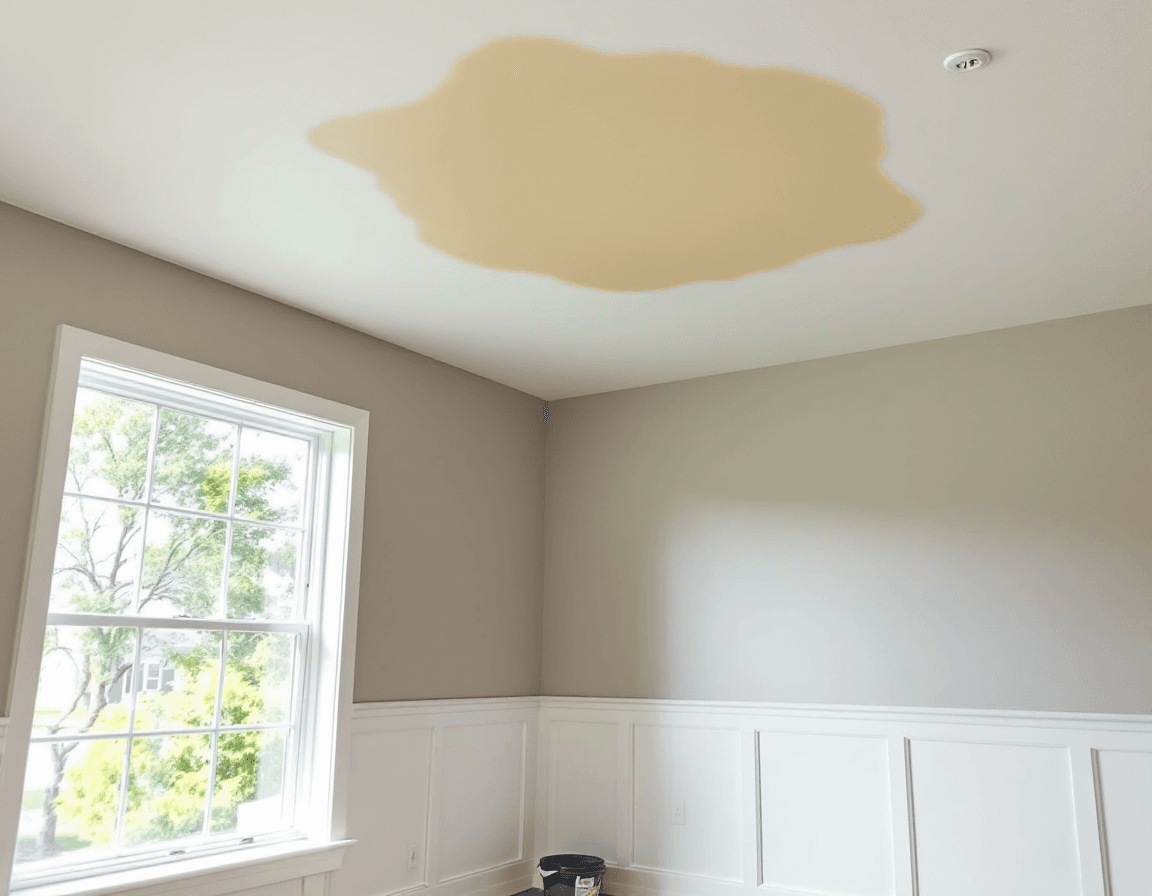
- The drywall around the hole is soft, wet, or discolored, this indicates water damage, which needs a different approach entirely. See our guide on water-damaged drywall in Killeen.
- The damage is on a ceiling
- The hole is near electrical boxes, outlets, or plumbing lines
- You have multiple large repairs throughout the house and the total scope is more than a weekend project
- Your texture matching attempts are not blending in
PatchMaster handles drywall work across the Waco-Temple-Killeen area for jobs that are beyond a simple patch. Their profile is at PatchMaster Waco & Temple.
Related Guides
- How Much Does Drywall Repair Cost in Killeen?, what pros charge and when it makes sense to hire one
- Signs Your Drywall Needs Repair in Killeen, spot problems before they grow
- Water-Damaged Drywall in Killeen, water damage needs professional attention
- How to Patch Drywall Holes in Waco and Temple, same methods, different local details
Photo: Pexels
Photo: Pexels
Frequently Asked Questions
What is the easiest way to fix a small hole in drywall?▾
How long does drywall compound take to dry?▾
Can I patch drywall without sanding?▾
Will patching drywall holes get my full deposit back?▾
How do I match the wall paint after patching?▾
What drywall holes are too big for DIY?▾
Related Guides
Window and Door Seal Damage from Heat Expansion in Killeen: Signs and Solutions
Learn why Killeen's heat destroys window and door seals, how to spot early failure, and what repairs cost in the Temple-Killeen area.
Water-Damaged Drywall in Killeen: Repair or Replace?
Most water-damaged drywall in Killeen homes needs professional assessment because mold risk is high, especially in homes that were vacant during deployments.
Matching Drywall Texture After a Repair in Temple, TX
Most Temple homes have orange peel or knockdown texture that can be matched with spray-can products and a little patience. Here is how to make a drywall patch disappear.