
Photo: Pexels
Water-Damaged Drywall in Killeen: Repair or Replace?
Most water-damaged drywall in Killeen homes needs professional assessment because the real question is not just the drywall itself but whether mold has started growing behind it.
Quick Answer
Call a pro if:
- !Drywall is soft, swollen, or warped
- !Water damage covers a large area or multiple walls
- !You see dark spots or smell mold near the damage
- !The leak source has not been found and fixed
- !The home has been vacant and damage was discovered after the fact
Consider DIY if:
- +Small, dry stain from a known and repaired leak
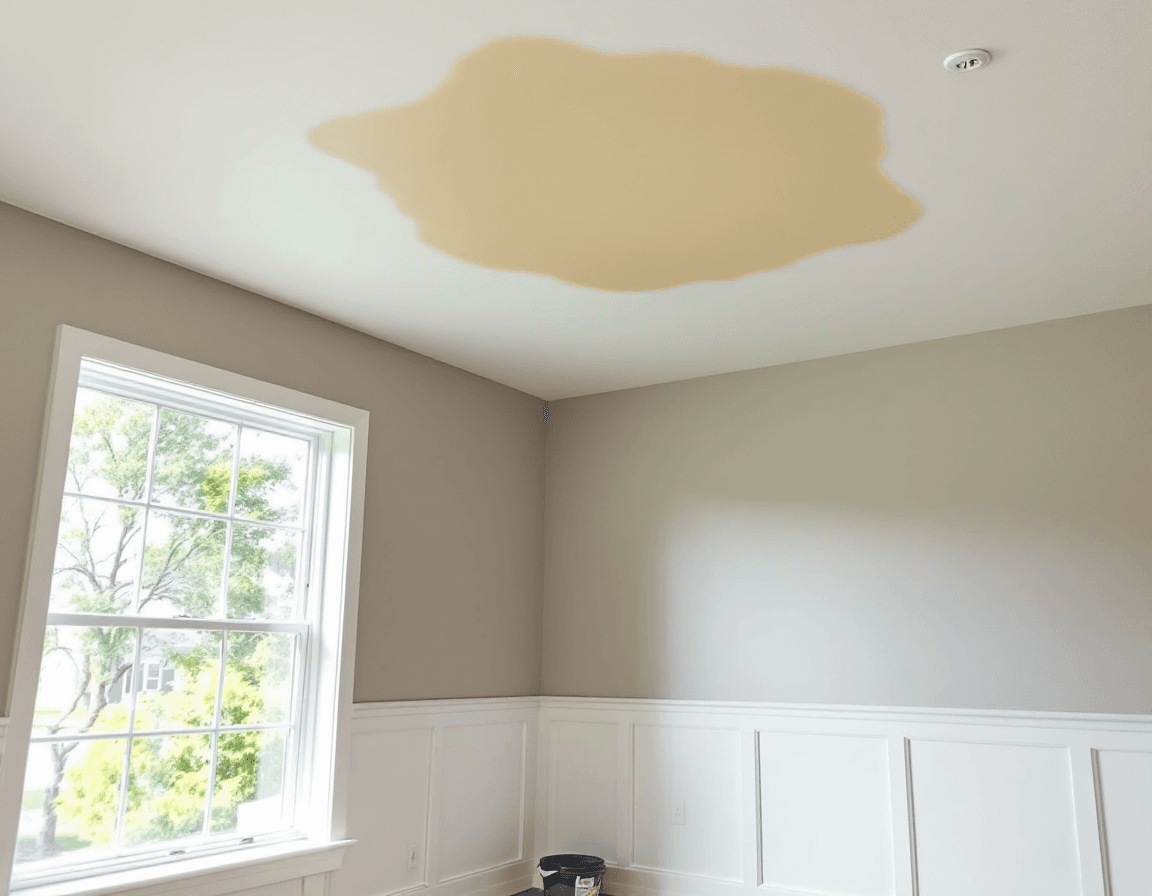
- +Cosmetic water ring on a ceiling with no soft spots
- +Minor discoloration near a window that dried naturally

Evaluating Water-Damaged Drywall in Killeen Homes
Water-damaged drywall in Killeen tends to come from a different set of sources than in other parts of the I-35 corridor. Slab foundation plumbing leaks, flat-roof water intrusion in older military-era housing, and damage discovered after extended vacancies from deployments or PCS moves are the patterns that come up most often.
The fundamental question is always the same: is this drywall still sound, or does it need to come out? But the circumstances in Killeen add a layer of complexity because the damage is often discovered well after it started.
When You Can Fix It Yourself
Not all water marks on drywall require professional help. If you are looking at a small, dry stain and you know exactly what caused it, a DIY fix may be all you need.
DIY is reasonable when:
- The stain is small and completely dry, from a known and already-repaired source
- The drywall feels solid when you press firmly on the stained area, no give, no softness
- There is no visible warping, bubbling, or swelling
- There is no musty smell anywhere near the area
- The water ring on a ceiling has no soft spots and the source (a one-time overflow or minor condensation) is resolved
A coat of stain-blocking primer followed by matching paint handles cosmetic water marks effectively. Test the firmness of the drywall first. That is the deciding factor.
When Professional Assessment Is Necessary
The situations below go beyond what a patch and primer can address. These need someone who can open the wall, evaluate the cavity, and determine the full scope of the problem:
- Soft, swollen, or warped drywall. Water has compromised the gypsum core. It will not regain its strength as it dries. It has to be removed.
- Large area of damage or multiple walls affected. Widespread damage suggests a significant water event or a leak that has been running for a while.
- Dark spots or mold smell. Any indication of mold means the repair requires more than just drywall replacement.
- Unknown leak source. Making drywall repairs before identifying and fixing the source of water is a waste of money.
- Damage discovered after a vacancy. This is a common Killeen scenario. A home sits empty during a deployment or PCS, and water damage is found weeks or months after it started. The mold risk in these cases is high.
Mold: The Hidden Problem Behind the Wall
Mold is the primary concern with any water-damaged drywall, and it is the reason that opening the wall for inspection is so important. The drywall you can see is just the surface. Behind it, the paper backing, insulation, and framing may be hosting mold growth that started within the first 48 hours of moisture exposure.
The 48-hour rule is the standard guideline: if drywall has been continuously damp for 48 hours or more, mold growth is likely. In Killeen's warm climate, that timeline can be even shorter during summer months.
For homes that were vacant, whether during a deployment, a PCS move, or an extended absence, the discovery timeline is the critical factor. If a pipe developed a slow leak in January and the homeowner does not return until March, the mold has had months to establish itself. In these cases, the drywall repair is actually the simpler part. The mold assessment and remediation is the bigger job.
Mold behind drywall is dangerous because it releases spores into the living space through gaps, electrical outlets, and the natural air movement within wall cavities. You can have significant mold growth behind a wall that looks fine from the front, aside from a modest stain.
Slab Foundation Plumbing Issues
Killeen's soil conditions and housing stock create a specific pattern of water damage that homeowners should understand. Many Killeen homes, especially those built in the 1970s through 1990s, sit on concrete slab foundations with copper or CPVC supply lines running through or under the slab.
When these lines develop leaks, the water comes up through the slab and into the walls from below. The signs are different from a roof leak or a pipe burst:
- Water stains that appear at the base of walls rather than near the ceiling
- Warm spots on the floor (if a hot water line is leaking)
- A water bill that has been slowly increasing with no explanation
- Drywall damage in interior walls that are not near any visible plumbing fixture
Slab leaks require specialized detection and repair. The drywall damage is a symptom, not the root problem. A plumber needs to locate and fix the leak before any drywall work begins. Repairing the drywall first guarantees a repeat failure.
Vacant Homes and Deployment Considerations
Killeen has a high percentage of homes connected to Fort Cavazos military families. Deployments, TDY assignments, and PCS moves mean homes sit empty for extended periods. Water damage that occurs during a vacancy has more time to spread and more time for mold to develop.
If you are returning to a Killeen home after an absence and discover water damage:
- Do not immediately start tearing out drywall. If mold is present, disturbing it without proper containment can spread spores throughout the house.
- Ventilate the area by opening windows, but do not run the HVAC system until you know the extent of the problem. The ductwork can distribute mold spores.
- Document everything thoroughly with photos and notes, especially if you plan to file an insurance claim.
- Have a professional assess the situation. The combination of water damage and potential mold in a home that has been closed up requires proper evaluation.
For military families preparing for an absence, having a trusted neighbor or property manager check the home periodically can catch leaks early. A $200 plumbing inspection before a deployment is cheap insurance against coming home to a $5,000 repair.
Insurance Considerations
The cause of the water damage determines whether insurance covers the repair:
- Sudden pipe bursts or appliance failures are generally covered.
- Slow, gradual leaks are typically excluded because they fall under maintenance responsibility.
- Damage that occurred while the home was vacant can be complicated. Many policies have vacancy clauses that limit coverage after 30 to 60 days of unoccupancy. Military families should review their policy carefully and consider endorsements for extended absences.
Document all damage before repairs begin. Photos, videos, and written descriptions of what you found and when you found it will support any claim you file.
The Professional Repair Process
A proper water damage repair follows these steps:
- Locate and stop the water source. Plumbing repair, roof fix, or exterior sealing.
- Cut out damaged drywall. Remove all compromised material back to dry, solid edges.
- Inspect the wall cavity. Evaluate framing, insulation, wiring, and any signs of mold.
- Dry the space. Industrial dehumidifiers and fans run until moisture readings confirm the cavity is dry. This step takes 1 to 3 days and should not be skipped.
- Remediate mold if found. Treat affected framing, replace contaminated insulation.
- Install replacement drywall. Cut, hang, tape, mud, and finish.
- Match texture and paint. Blend the repair into the surrounding surface.
Related Resources
For pricing information, see our drywall repair cost guide for Killeen. Our guide on signs your drywall needs repair covers additional warning indicators.
Homeowners in Waco and Temple deal with related issues but with different local factors.
PatchMaster handles water-damaged drywall work across the Waco-Temple-Killeen area. Their profile and service information is at PatchMaster Waco & Temple.
Frequently Asked Questions
Can water-damaged drywall be saved?▾
How do I know if there is mold behind my drywall?▾
Should I file an insurance claim for water-damaged drywall?▾
What causes water damage at the base of interior walls in Killeen homes?▾
How can I protect my home from water damage during a deployment?▾
Is it safe to stay in a home with mold behind the drywall?▾
Related Guides

Window and Door Seal Damage from Heat Expansion in Killeen: Signs and Solutions
Learn why Killeen's heat destroys window and door seals, how to spot early failure, and what repairs cost in the Temple-Killeen area.
Matching Drywall Texture After a Repair in Temple, TX
Most Temple homes have orange peel or knockdown texture that can be matched with spray-can products and a little patience. Here is how to make a drywall patch disappear.
Water-Damaged Drywall in Waco: Repair or Replace?
Water-damaged drywall in Waco often needs professional assessment due to mold risk from Brazos River humidity and aging plumbing in older homes.