Photo: Pexels
Matching Drywall Texture After a Repair in Waco, TX
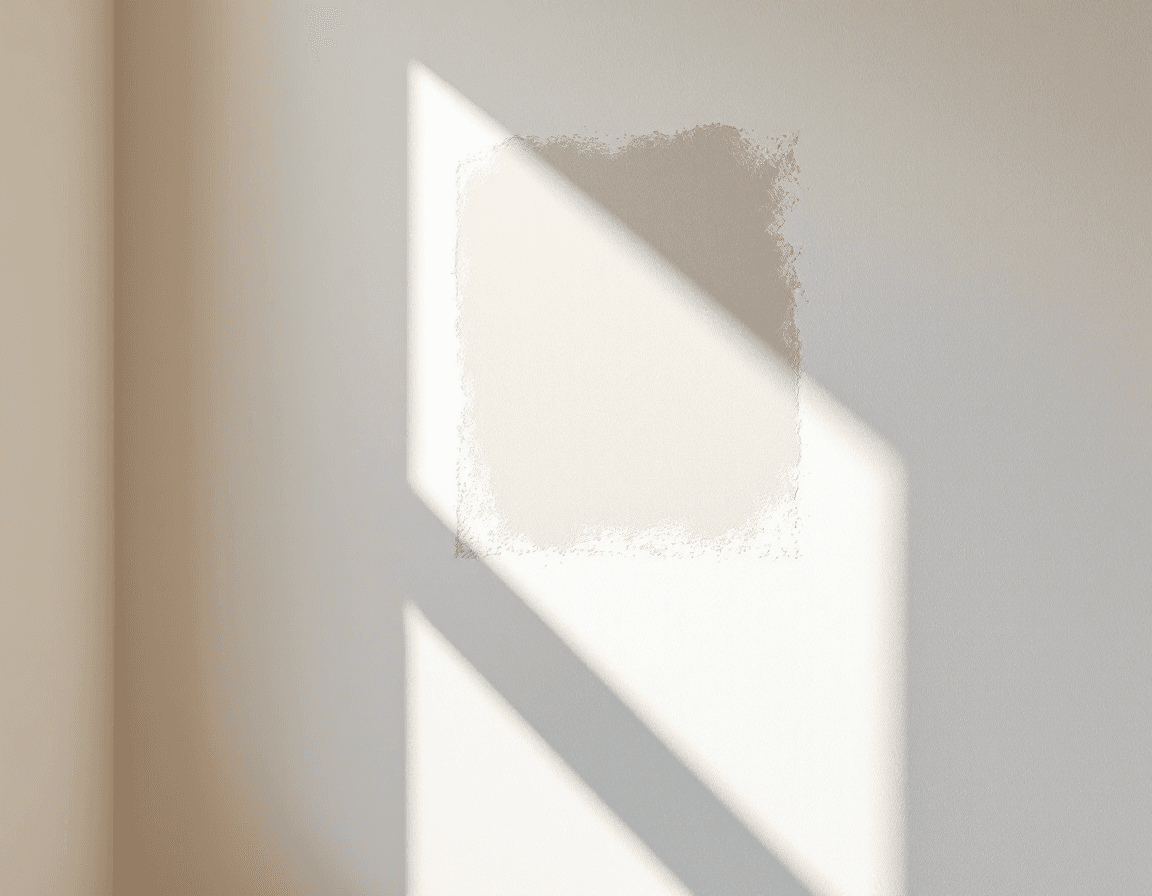
The hardest part of any drywall repair in Waco is matching the existing texture -- especially in older homes where the original texture was hand-applied and no two sections look exactly alike.
Quick Answer
Matching drywall texture requires identifying your existing pattern, practicing on scrap material, and building up thin layers to blend the repair.
Tools needed
Joint compound (pre-mixed), Knockdown knife or drywall knife, Hopper gun or spray can texture (for orange peel), Practice cardboard or scrap drywall, Primer and paint, Fine sandpaper (150-grit)

Identify Your Existing Texture
Before you buy any supplies or mix any compound, figure out what texture is already on your wall. Central Texas homes use a handful of common textures, and knowing which one you are working with determines your entire approach.
Orange peel looks like the surface of an orange: small, uniform bumps with no flat spots. This is the most common texture in Waco homes built after about 2005.
Knockdown starts as orange peel or splatter, then gets flattened with a wide knife to create irregular flat islands with valleys between them. Very common in Waco homes built from the 1980s through the early 2000s, often applied heavy.
Skip trowel is a hand-applied texture with a Mediterranean look, overlapping arcs and ridges from a curved trowel. You will find this in some higher-end Waco builds and remodels from the 1990s and 2000s.
Smooth is exactly what it sounds like, no texture at all, just flat drywall with paint. Newer Waco construction and some renovated older homes use smooth walls.
In older Waco neighborhoods like Castle Heights, Dean Highland, and the areas around Baylor, you may find hand-applied textures over original plaster, or textures that do not fit neatly into any of these categories. These are the hardest to match and often require a pro.
Step-by-Step: Matching Orange Peel Texture
Orange peel is the easiest texture to match because spray-can texture products are designed specifically for it.
Step 1: Prepare the patched area
Your drywall patch should already be smooth, sanded, and dust-free. If you can feel a ridge where the patch meets the existing wall, sand it down further. The patch surface needs to be flat before you add texture.
Step 2: Practice on scrap first
This is the single most important step, and the one most people skip. Get a piece of cardboard or scrap drywall and practice your spray technique. Hold the can 18 to 24 inches from the surface. Short bursts. Adjust the nozzle to match the size of the existing bumps on your wall.
Spray several test patches at different distances and nozzle settings. Let them dry. Compare to the wall. The texture will shrink slightly as it dries, so what looks like a match when wet may be too light when dry.
Step 3: Apply texture to the repair area
Mask off the surrounding wall with painter's tape and plastic sheeting, leaving a few inches of existing texture exposed at the edges so you can blend into it.
Spray in light passes. Two thin coats beat one heavy coat. Let each pass tack up for a minute or two before adding more.
Step 4: Feather the edges
This is where DIY texture matching usually fails. The edge between new and old texture cannot be a hard line. Reduce your spray pressure and increase your distance as you move toward the existing texture. The goal is a gradual transition where new texture overlaps slightly with the old.
Step 5: Let it dry completely
Give it at least 2 hours. Orange peel texture from a spray can dries fast, but you need it fully cured before priming.
Step-by-Step: Matching Knockdown Texture
Knockdown is a two-step process: you spray or splatter texture onto the wall, then flatten it with a knockdown knife.
Step 1: Prepare and practice
Same as orange peel: the patch must be smooth and flat. Practice on scrap is even more critical here because knockdown has two variables, the splatter pattern and how aggressively you flatten it.
Step 2: Apply the splatter coat
Use a spray can set to a larger droplet size, or use a hopper gun with thinned joint compound for better control on larger areas. Apply splatter to the repair area and a few inches into the surrounding texture.
Step 3: Wait, then knock down
This is the timing-critical step. Let the splatter set up for 10 to 15 minutes, long enough that it does not pull off when you drag the knife, but not so long that it has hardened. The right moment varies with temperature and humidity. In Waco's humid summers, you may need to wait longer.
Drag a clean knockdown knife lightly across the surface in one direction. Do not press hard. You are flattening the peaks of the splatter, not smearing it. Wipe your knife between passes.
Step 4: Blend the transition zone
Lightly knock down the area where new texture meets old. A damp sponge can help soften the boundary if it is too visible.
Skip Trowel and Smooth Walls
Skip trowel is genuinely difficult to match because it is hand-applied and every section looks different. The technique involves loading a curved trowel with compound and dragging it across the surface at a low angle, letting it skip and leave overlapping arcs. Practice extensively on scrap before attempting the wall. Many homeowners find that skip trowel matching is worth hiring out.
Smooth walls do not need texture, but they are unforgiving in a different way. Any imperfection in your patch, ridges, dips, sanding scratches, shows up under paint. Skim coat the entire patched area with a very thin layer of compound, sand to 150-grit, and inspect under a bright light held at a low angle to catch imperfections.
Waco Texture by Era
Waco's housing stock covers a wide range, and the era of your home is a good predictor of what texture you are dealing with.
Pre-1970s (Castle Heights, older Baylor-area homes): Many of these have been renovated multiple times. You may find texture applied directly over plaster, or layers of different textures from different decades. Matching requires identifying the top layer and sometimes scraping to see what is underneath.
1980s through early 2000s: Heavy knockdown dominates this era. The splatter was applied thick and the knockdown was aggressive, leaving wide flat areas. Matching this heavy knockdown can be tricky because modern spray cans produce a lighter pattern.
2005 to present: Lighter orange peel or smooth walls. These are the easiest to match with off-the-shelf spray texture products.
Prime Before You Paint
Unprimed texture absorbs paint differently than the surrounding wall. Even if your texture match is perfect, skipping primer leaves a visible difference in sheen. The patch will look flat or dull compared to the rest of the wall.
Apply one coat of PVA primer over the new texture. Let it dry completely. Then paint with two coats of your matching color. If you do not know the paint color, take a small chip from behind a switch plate to the hardware store for matching.
Know When to Call a Professional
Texture matching on small wall patches is manageable for most homeowners. But there are situations where calling a pro saves time and frustration:
- Ceilings. Working overhead with texture is awkward, messy, and hard to get right. Gravity works against you.
- Large areas. If the repair covers more than a few square feet, blending becomes much harder. The larger the patch, the harder it is to hide the transition.
- Hand-applied custom textures. If your texture does not match any standard pattern, replicating it takes real skill and experience.
- Older Waco homes with layered textures. Multiple renovation layers make matching unpredictable.
Texture matching on large areas or ceilings is where most homeowners call in help. PatchMaster handles drywall texture work across the Waco-Temple-Killeen area. Their profile and coverage details are at PatchMaster Waco & Temple.
Related Guides
- How Much Does Drywall Repair Cost in Waco?, what to expect if you hire a pro
- How to Patch Small Drywall Holes in Waco, get the patch right before matching texture
- Signs Your Drywall Needs Repair in Waco, catch problems early
- Drywall Texture Matching in Temple and Killeen, same techniques, different local texture patterns
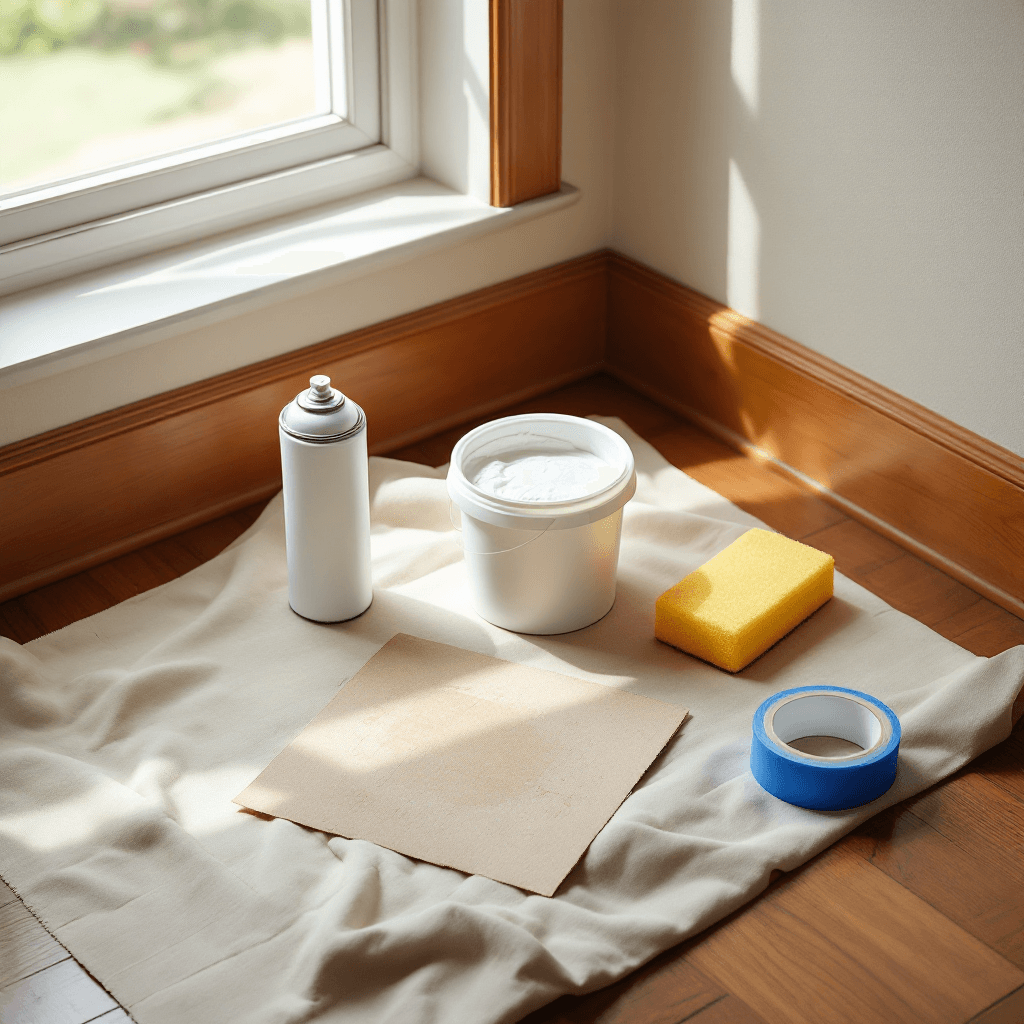
Photo: Pexels
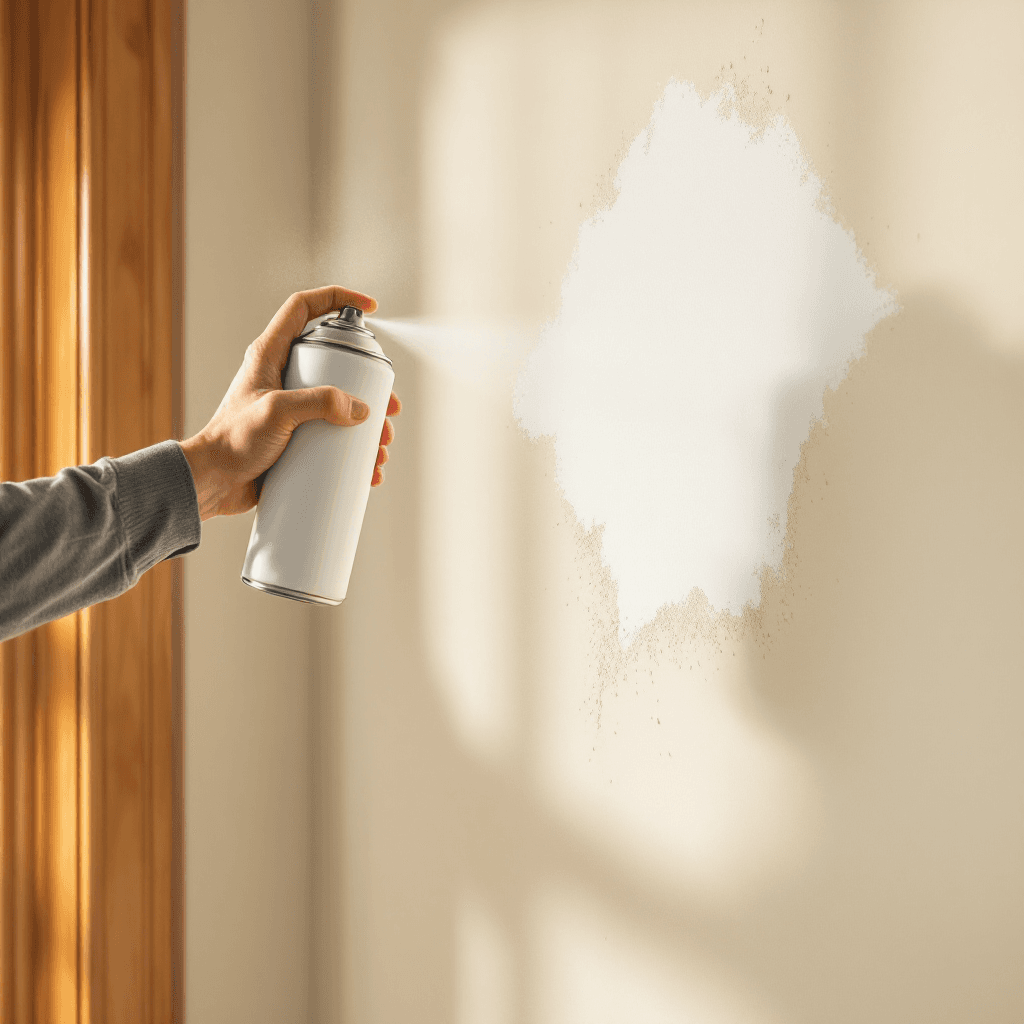
Photo: Pexels
Frequently Asked Questions
How do I match orange peel texture on drywall?▾
Can I use spray texture to match knockdown?▾
Why does my drywall patch look different after painting?▾
What is the hardest drywall texture to match?▾
How long should I wait before painting over new texture?▾
Should I texture the whole wall or just the patch?▾
Related Guides
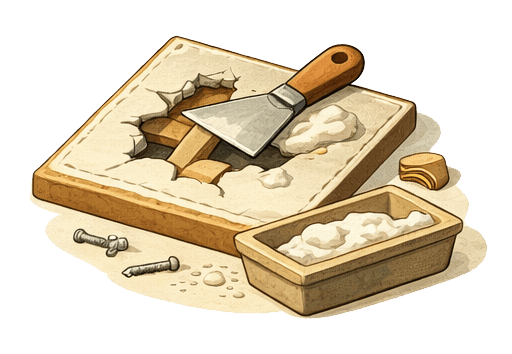
Window and Door Seal Damage from Heat Expansion in Killeen: Signs and Solutions
Learn why Killeen's heat destroys window and door seals, how to spot early failure, and what repairs cost in the Temple-Killeen area.
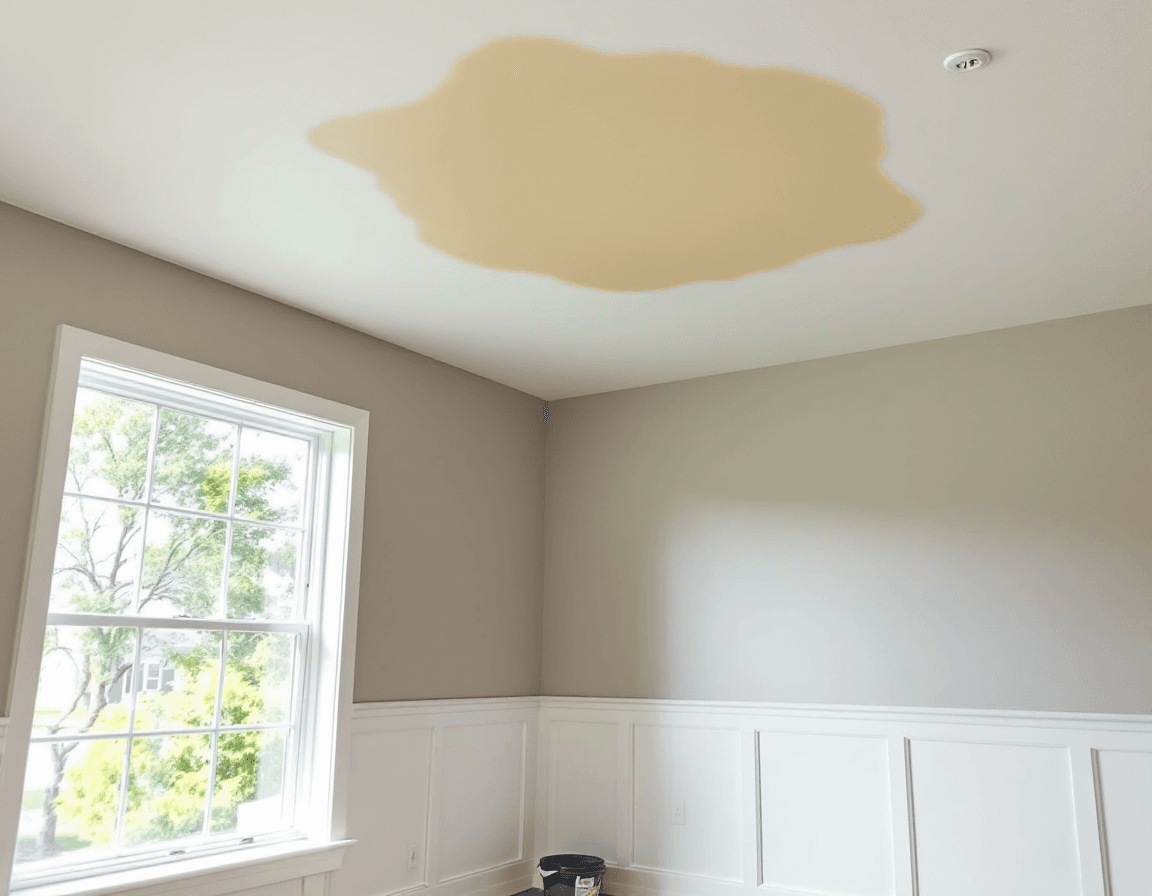
Water-Damaged Drywall in Killeen: Repair or Replace?
Most water-damaged drywall in Killeen homes needs professional assessment because mold risk is high, especially in homes that were vacant during deployments.
Matching Drywall Texture After a Repair in Temple, TX
Most Temple homes have orange peel or knockdown texture that can be matched with spray-can products and a little patience. Here is how to make a drywall patch disappear.