
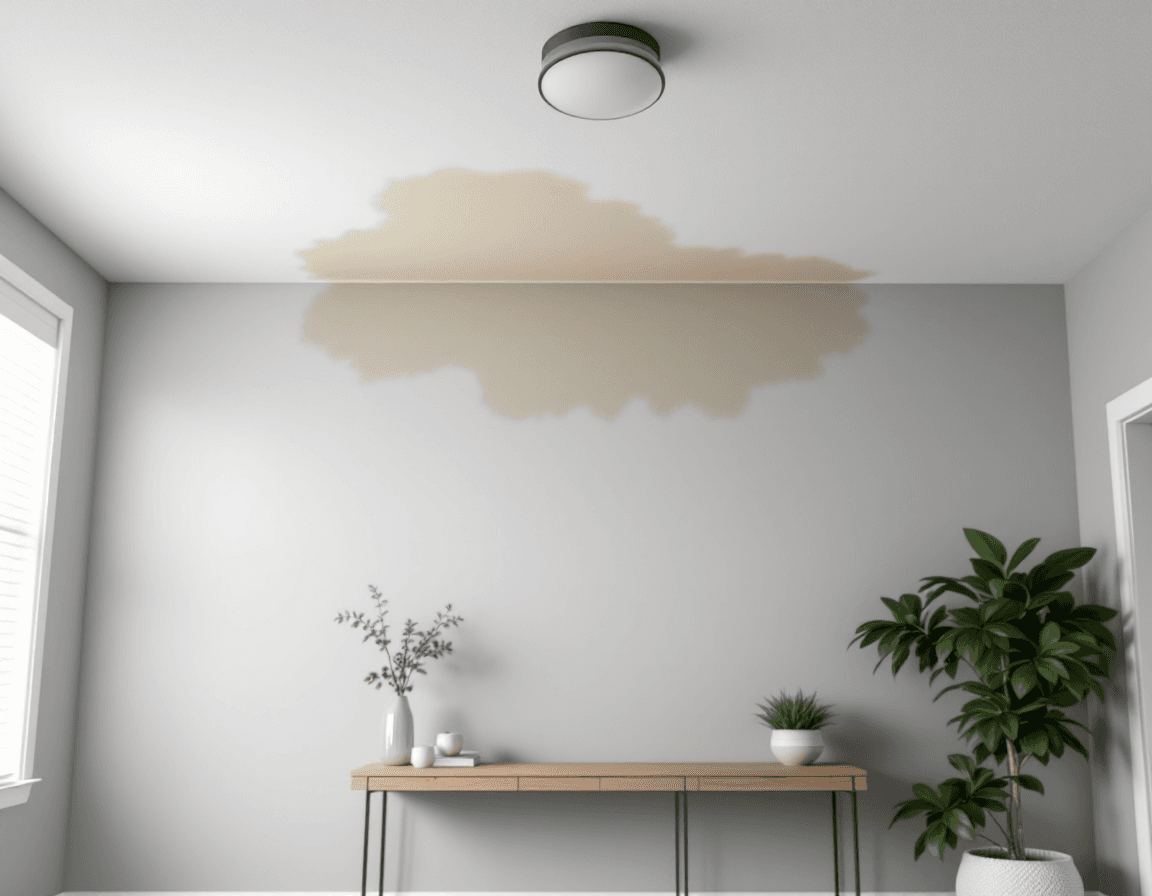
Photo: Pexels
7 Signs Your Drywall Needs Repair in Temple, TX
Diagonal cracks above doorways, bubbling tape at seams, and soft spots near bathrooms are common drywall warning signs in Temple homes.
Quick Answer
$150 -- $500
- *Whether cracks are cosmetic or structural
- *Presence of moisture or water damage
- *Age of the home and original drywall quality
- *Location of damage: walls vs. ceilings
- *How quickly the damage is spreading

Recognizing Drywall Problems in Your Temple Home
Drywall issues tend to develop slowly. A faint crack appears along a seam. A ceiling stain shows up after a rainstorm and then dries out. A section of tape starts to lift. Most homeowners notice these things and make a mental note to deal with them later, but some of these signs indicate problems that worsen if left alone.
Here are seven warning signs that your drywall needs repair, with specifics relevant to Temple homes and the I-35 corridor climate.
1. Cracks Around Door and Window Frames
Stress cracks at the corners of door and window openings are among the most frequent drywall complaints in Temple. These cracks form because openings are natural stress concentration points. Any movement in the structure shows up here first.
Temple sits in a zone where seasonal temperature swings are significant. Summer highs above 100 degrees and winter lows in the 20s and 30s cause building materials to expand and contract through the year. The joint compound at these stress points can only flex so much before it cracks.
In older Temple neighborhoods, these cracks often reflect cumulative settling. In newer construction, they sometimes appear within the first few years as the home goes through its initial settling cycle. Either way, a crack that stays small and stable is cosmetic. One that grows, widens, or keeps reappearing after repair signals ongoing movement.
2. Nail Pops
Nail pops are raised bumps or visible fastener heads that push through the drywall surface. They happen when the connection between the drywall and the framing stud loosens.
Temperature cycling is a contributing factor in Temple. Wood framing expands and contracts with heat and humidity changes, and over years of cycling, the nails can work loose. Homes built in the 1970s and 1980s using drywall nails (rather than screws) are more prone to this because nails have less holding power.
A handful of nail pops in an aging home is routine maintenance. If you are seeing them appear in clusters or in areas that were recently repaired, that may indicate framing movement or moisture-related wood swelling that deserves a closer look.
3. Water Stains
Discolored patches (usually brownish or yellowish) on walls or ceilings mean water has reached the drywall. On ceilings, the usual suspects are roof leaks, HVAC condensation lines, and bathroom exhaust venting issues. On walls, look for plumbing leaks, failed window caulking, and exterior wall penetrations.
Temple gets its heaviest rainfall in spring (April and May) and again in the fall. After heavy rain events, check ceilings below the roofline and walls around windows for new stains. Slow leaks can go months without being obvious, especially in rooms that do not get daily use.
The stain itself is the least of the problem. What matters is whether the drywall behind it is still sound and whether the moisture source is still active. See our drywall repair cost guide for Temple for what to expect if the section needs replacement.
4. Bubbling or Peeling Tape
The tape covering drywall seams should be invisible under the joint compound. When it starts to bubble, ridge, or peel away, the seam is failing.
In Temple homes, tape failure often traces back to two causes. First, moisture exposure, even low levels of humidity in bathrooms or kitchens can weaken tape adhesion over time, especially if the original installation used insufficient compound. Second, the expansion and contraction from Temple's temperature range stresses seams repeatedly, and joints in long hallways or across large wall spans feel this the most.
Peeling tape exposes the seam to further damage and moisture entry. Repairing it properly means removing the old tape, cleaning the joint, and retaping with fresh compound and a good bond coat.
5. Soft or Spongy Spots
Press on your wall. If it gives under moderate pressure or feels soft instead of rigid, the gypsum core has absorbed moisture and is breaking down.
The most common locations are walls around bathrooms, behind kitchen sinks, near water heaters, and along exterior walls where flashing or sealant has failed. In Temple's older neighborhoods, galvanized plumbing connections are a frequent source of slow leaks that soften drywall from behind.
Soft drywall is beyond repair. It needs to be cut out and replaced. Before that replacement happens, the moisture source must be identified and fixed; otherwise the new drywall will deteriorate the same way.
6. Sagging Ceiling Sections
Ceilings that dip, bow, or appear uneven indicate that the drywall panels have partially detached from the ceiling joists or that the panels themselves are weakened.
Water damage is the most common cause. A roof leak that wets ceiling drywall adds weight to the panel while weakening the gypsum core, a combination that leads to sag. Inadequate fastening during original construction can also cause problems, particularly in homes where the drywall crew used too few screws or nails.
Sagging ceilings are a safety concern. A panel that has lost its fastening can fall. If you see ceiling sag, particularly if the drywall feels damp or heavy, stay out from under it and get it assessed quickly.
7. Visible Mold or Musty Smell Near Walls
Mold on drywall shows up as dark spots, fuzzy patches, or discoloration at the base of walls and in corners. A musty smell without visible mold often means growth is happening inside the wall cavity where you cannot see it.
Temple's humid months from May through September create favorable conditions for mold wherever moisture gets trapped. Bathrooms with poor ventilation, closets on exterior walls, and any area with a history of water intrusion are the highest-risk spots.
Surface mold on a small area can sometimes be cleaned and sealed. But mold on drywall usually means the paper facing is compromised, and more growth is likely behind the surface. Larger affected areas require removing the drywall to fully address the problem.
Deciding What Needs Attention Now
Some of these signs are cosmetic nuisances. Others are warnings about active moisture or structural problems. Here is a practical way to prioritize:
Address promptly: Water stains with soft drywall behind them, sagging ceilings, visible mold, and musty smells. These involve active moisture and will get worse.
Monitor and plan: Cracks that are stable and not growing, occasional nail pops, and tape that is just beginning to lift. These can be bundled into a single repair visit when you are ready.
Investigate further: Cracks that keep reappearing, clusters of nail pops, and water stains in unusual locations. These may indicate a larger issue, foundation movement, framing problems, or a hidden leak, that should be identified before patching.
PatchMaster works throughout the Temple area and can assess whether the damage you are seeing is surface-level or something more involved. Their profile and service details are at PatchMaster Waco & Temple. For city-specific context, see our guides for Waco and Killeen.
Frequently Asked Questions
Are cracks in my drywall normal?▾
When should I worry about drywall cracks?▾
Can drywall damage indicate foundation problems?▾
How do I tell if a ceiling stain is from an active leak?▾
Should I paint over water-stained drywall?▾
What causes drywall tape to bubble or peel?▾
Related Guides
Matching Drywall Texture After a Repair in Temple, TX
Most Temple homes have orange peel or knockdown texture that can be matched with spray-can products and a little patience. Here is how to make a drywall patch disappear.
Matching Drywall Texture After a Repair in Killeen, TX
Getting drywall texture right after a repair makes the difference between a patch that disappears and one that catches the eye at every inspection. Here is how to match common Killeen textures.

Window and Door Seal Damage from Heat Expansion in Killeen: Signs and Solutions
Learn why Killeen's heat destroys window and door seals, how to spot early failure, and what repairs cost in the Temple-Killeen area.