
Photo: Pexels
7 Signs Your Drywall Needs Repair in Waco, TX
Cracks along door frames, water stains on ceilings, and nail pops are the most common signs Waco homeowners notice when drywall needs attention.
Quick Answer
$150 -- $500
- *Type of damage: cosmetic vs. structural
- *Whether moisture or mold is involved
- *Age and condition of the home
- *Number of affected areas
- *Whether the underlying cause has been addressed

How to Tell Your Drywall Needs Repair
Drywall damage does not always announce itself with a giant hole in the wall. More often, it shows up gradually: a hairline crack here, a subtle stain there, and homeowners put off dealing with it because it does not seem urgent. But some of these signs point to problems that get worse (and more expensive) the longer they sit.
Here are seven indicators that your drywall needs professional attention, with context specific to Waco homes and conditions.
1. Cracks Around Door and Window Frames
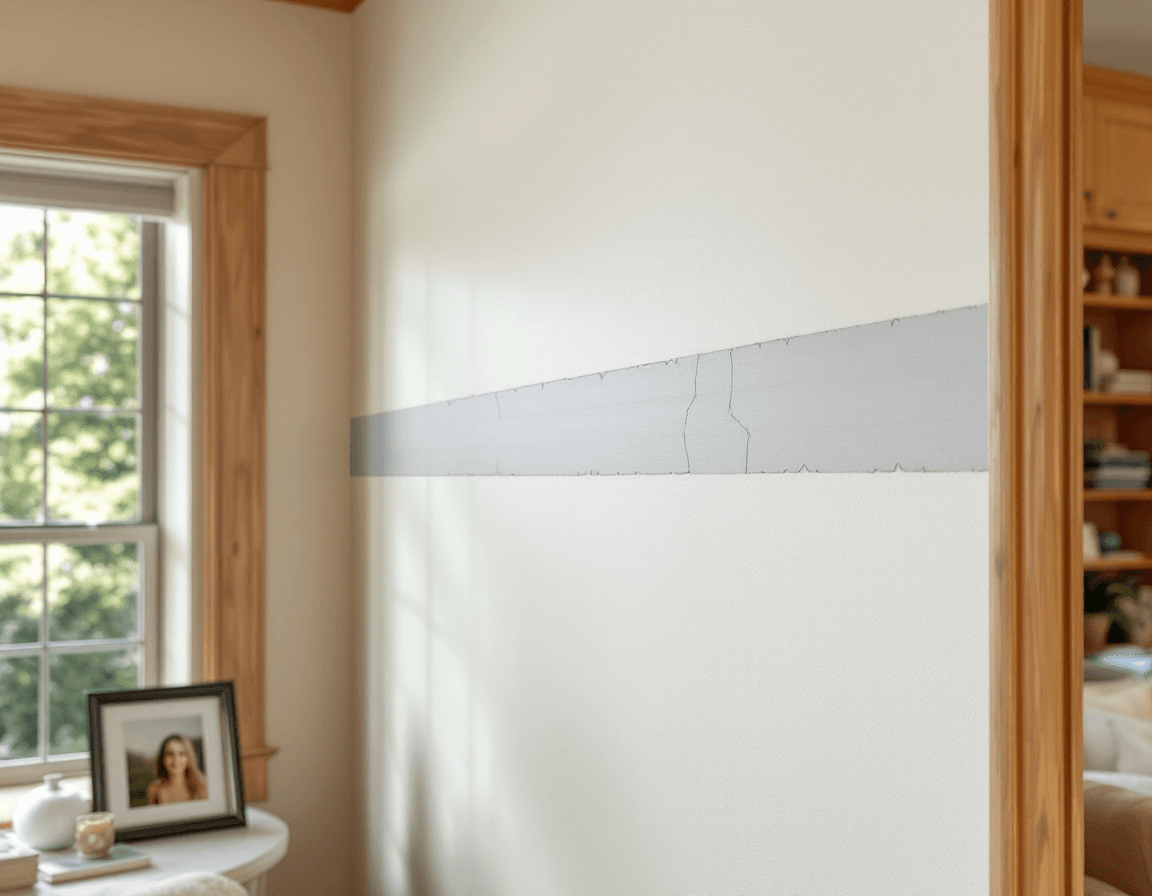
Cracks that radiate from the corners of door frames and window frames are one of the most common drywall issues in Waco. These diagonal stress cracks typically signal foundation movement, and they are especially prevalent in homes built on McLennan County's expansive clay soil.
The clay soil in the Brazos River corridor swells when it absorbs moisture and shrinks as it dries out. That cycle puts constant stress on foundations, and the movement transfers through the framing into the drywall. Older homes in neighborhoods like Castle Heights, Dean Highland, and the areas around Baylor are particularly susceptible because decades of soil movement have compounded.
A single hairline crack is not an emergency. But if you notice cracks that are wider than 1/8 inch, cracks that grow over time, or cracks that reappear after you have already patched them, the underlying movement needs to be evaluated before the drywall repair will hold.
2. Nail Pops
Nail pops look like small circles or bumps in the wall where the drywall nail or screw head pushes through the surface. You might see the fastener itself, or just a raised bump with cracked paint over it.
In Waco's older homes from the 1950s through 1980s, nail pops often result from the original framing lumber drying and shrinking over time. As the stud shrinks, it pulls away from the drywall, and the nail head pushes through. Humidity fluctuations near the Brazos River area can accelerate this process.
A few nail pops in an older home are normal wear. A cluster of them, or nail pops that keep appearing in the same area, may indicate framing issues that need more than a simple patch.
3. Water Stains on Walls or Ceilings
Brown or yellowish discoloration on drywall almost always means water. On ceilings, the source is usually a roof leak or condensation from HVAC equipment in the attic. On walls, look for plumbing leaks, window seal failures, or exterior moisture intrusion.
Waco's humid subtropical climate and heavy spring rainfall create conditions where water intrusion is common. Homes near the Brazos floodplain or in low-lying areas can also see moisture wicking through foundation walls into ground-floor drywall.
Water stains are never just cosmetic. The drywall behind the stain may be compromised, and moisture trapped in the wall cavity can lead to mold growth. Always identify and fix the water source before repairing the drywall. For repair cost details, see our drywall repair cost guide for Waco.
4. Bubbling or Peeling Tape
Drywall seams are covered with paper or mesh tape embedded in joint compound. When that tape starts to bubble, lift, or peel away from the wall, it means the bond has failed. You will see a ridge or raised line along what should be a flat seam.
This happens for a few reasons: poor original installation, moisture exposure that weakens the adhesive, or structural movement that stresses the joint. In older Waco homes, it is often a combination. The original tape job was adequate when installed, but decades of foundation movement and humidity cycles have worked it loose.
Bubbling tape is more than ugly. Once the seal is broken, the seam is vulnerable to further cracking and moisture entry. A proper repair involves removing the failed tape, cleaning the joint, and retaping with fresh compound.
5. Soft or Spongy Spots
If you press on a wall and it gives or feels soft, the drywall core has been compromised. Healthy drywall is rigid. Soft spots mean the gypsum inside has absorbed water and partially dissolved.
Check around bathrooms, kitchens, laundry rooms, and any wall that backs up to plumbing. In Waco homes with older plumbing, slow leaks behind walls can go undetected for months, softening the drywall from the inside out.
Soft drywall cannot be patched. The damaged section needs to be cut out and replaced. If you find a soft spot, there is almost certainly an active or recent moisture problem that needs to be resolved first.
6. Sagging Ceiling Sections
A ceiling that dips, sags, or appears wavy has a serious problem. Ceiling drywall is supported by fasteners and gravity is working against it, so any weakening of the attachment or the panel itself shows up quickly.
Common causes include water damage from roof leaks (especially after Waco's spring storms), insufficient fastening during original installation, and insulation that has settled or shifted in the attic and is weighing on the panels.
Sagging ceilings are urgent. A section that has pulled partially free from the joists can fall. If you notice ceiling sag, avoid the area below it and get it evaluated promptly.
7. Visible Mold or Musty Smell Near Walls
Dark spots on drywall, fuzzy growth at the base of walls, or a persistent musty smell in a room all point to mold. Mold grows where moisture is present, and drywall, with its paper facing and porous core, is an ideal host.
Waco's humidity levels, particularly from April through October, create favorable conditions for mold growth wherever moisture gets trapped. Bathrooms without adequate ventilation, walls behind furniture that block airflow, and any area with a history of water intrusion are prime locations.
If you can see mold on the surface of the drywall, there is likely more behind it. Small areas (under a few square feet) can sometimes be cleaned and treated, but larger mold problems require removing the affected drywall. A musty smell without visible mold means the growth may be inside the wall cavity.
What to Do Next
Not every crack or nail pop requires immediate professional repair. Cosmetic issues in stable, dry locations can wait. But anything involving water, mold, structural cracks, or ceiling sag should be addressed promptly.
If you are unsure whether the damage you are seeing is cosmetic or something more serious, start by identifying the pattern. Is it isolated or widespread? Is it near moisture sources? Has it changed over time?
PatchMaster handles drywall assessment and repair across the Waco-Temple-Killeen area. You can see their service details and coverage at PatchMaster Waco & Temple. For homeowners in Temple and Killeen, the same signs apply with some local differences in common causes.
Frequently Asked Questions
Are cracks in my drywall normal?▾
When should I worry about drywall cracks?▾
Can drywall damage indicate foundation problems?▾
Is it safe to live with mold on drywall?▾
How do I know if a water stain on my ceiling is old or active?▾
Related Guides
Matching Drywall Texture After a Repair in Temple, TX
Most Temple homes have orange peel or knockdown texture that can be matched with spray-can products and a little patience. Here is how to make a drywall patch disappear.
Matching Drywall Texture After a Repair in Killeen, TX
Getting drywall texture right after a repair makes the difference between a patch that disappears and one that catches the eye at every inspection. Here is how to match common Killeen textures.

Window and Door Seal Damage from Heat Expansion in Killeen: Signs and Solutions
Learn why Killeen's heat destroys window and door seals, how to spot early failure, and what repairs cost in the Temple-Killeen area.