
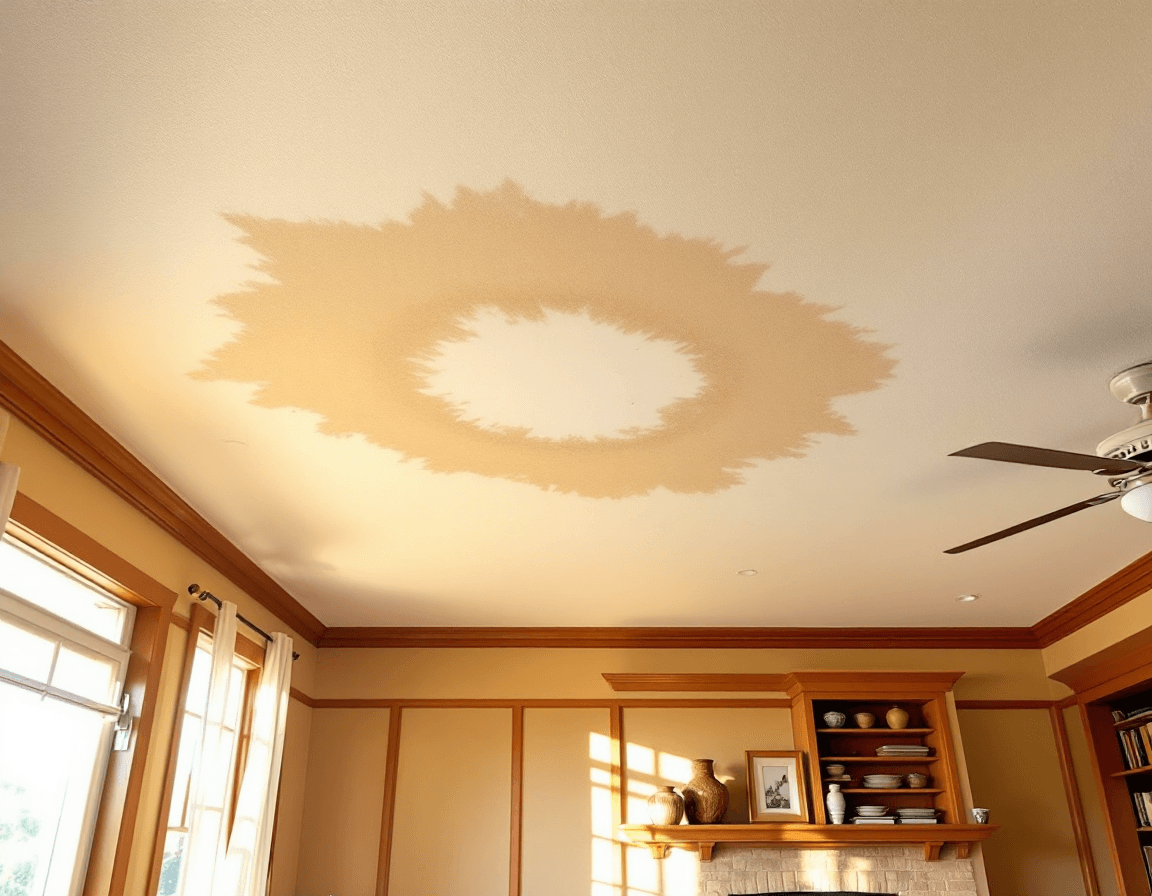
Photo: Pexels
Water-Damaged Drywall in Waco: Repair or Replace?
If your drywall is soft to the touch, showing expanding stains, or has been wet for more than 48 hours, it almost certainly needs to be cut out and replaced rather than patched.
Quick Answer
Call a pro if:
- !Drywall is soft or crumbling when pressed
- !Water stain is growing or recurring
- !You see or smell mold near the damaged area
- !The water source has not been identified or fixed
- !Damage covers more than a few square feet
Consider DIY if:
- +Small surface stain from a one-time spill that dried quickly
- +Cosmetic discoloration with no soft spots or swelling
- +A single nail pop or hairline crack near a water stain

How to Tell If Water-Damaged Drywall Needs Replacement
Water-damaged drywall is one of those problems that looks minor on the surface but can hide serious issues behind the wall. A small brown stain on the ceiling might be the only visible sign of a much larger problem, such as soaked insulation, compromised framing, or mold growth that started days ago.
The core question is not whether the drywall looks bad. It is whether the drywall is still structurally sound and whether what is behind it is safe.
Here is the decision framework: if the drywall is soft when you press on it, if a stain is growing or recurring, or if the area has been wet for more than 48 hours, that section almost certainly needs to come out. Patching over compromised drywall does not solve the problem. It hides it.
When You Can Handle It Yourself
Not every water stain means you need a contractor. If you had a one-time spill or a small splash that dried quickly, and the drywall underneath feels firm and solid, you are probably looking at a cosmetic issue. A stain-blocking primer and a coat of paint will take care of it.
Here are the signs that a DIY approach is reasonable:
- The stain is small and dry, and you know exactly what caused it
- The drywall feels firm when you press on it, no soft spots, no give
- There is no swelling, bubbling, or warping of the surface
- The area does not smell musty or damp
- The water exposure was brief and has been completely resolved
If all of those are true, you can prime over the stain and move on. A good stain-blocking primer like Kilz or Zinsser will prevent the discoloration from bleeding through your paint.
When to Call a Professional
Once the damage goes beyond cosmetic discoloration, you need someone who can open the wall, assess what is happening behind the drywall, and make proper repairs. These are the situations that call for professional help:
- Soft or crumbling drywall. If you press on the wall and it gives, the gypsum core has absorbed water and lost its structural integrity. It cannot be saved.
- Growing or recurring stains. A stain that keeps coming back means the water source has not been resolved. Patching the drywall without fixing the leak is throwing money away.
- Any sign of mold. Dark spots, fuzzy growth, or a musty smell near the damaged area all point to mold. This is not a patch-and-paint situation.
- Unknown water source. If you cannot identify where the water came from, a professional needs to investigate before any drywall work begins.
- Large affected area. Once the damage covers more than a few square feet, the scope of work exceeds what a basic patch can address.
The 48-Hour Rule and Mold Risk
This is the part that matters most for Waco homeowners. Central Texas humidity, especially in the low-lying areas near the Brazos River, creates ideal conditions for mold growth. Once drywall gets wet, the clock starts ticking.
Mold can begin colonizing damp drywall within 24 to 48 hours. The paper facing on drywall is an excellent food source for mold, and the warm, dark space behind a wall is the perfect environment.
The problem is that you usually cannot see the mold from the front of the wall. By the time dark spots appear on the painted surface, the mold colony behind the wall may be much larger. This is why cutting out water-damaged drywall and inspecting the cavity is often necessary even when the visible damage seems small.
Waco's proximity to the Brazos River makes flooding a recurring concern in certain neighborhoods. Homes in the river bottom areas and older parts of downtown have dealt with flood events and rising groundwater for decades. Even homes that did not take on floodwater directly can experience moisture intrusion through foundations and exterior walls during prolonged wet periods.
Older Homes and Plumbing Concerns
Many of Waco's pre-1970s homes, particularly in neighborhoods near downtown and around the Baylor campus, have aging plumbing that creates slow, hidden leaks. Galvanized pipes corrode from the inside over time, and the resulting pinhole leaks can soak the surrounding drywall for weeks before anyone notices a stain.
These slow leaks are especially problematic because they give mold plenty of time to establish itself. A sudden burst pipe is dramatic but gets addressed immediately. A slow drip behind a bathroom wall can go undetected for months.
If you live in an older Waco home and discover water-damaged drywall, it is worth having the plumbing inspected along with the drywall repair. Fixing the drywall without addressing aging pipes means you will likely be making the same repair again.
Insurance Considerations
Whether your homeowner's insurance covers water-damaged drywall depends on the cause. Generally:
- Sudden and accidental events (burst pipe, appliance failure, storm damage) are typically covered.
- Gradual damage from deferred maintenance or slow leaks is usually not covered.
- Flood damage requires a separate flood insurance policy.
If you think the damage might be covered, document everything before making repairs. Take photos of the damage, keep any materials that were removed, and get a written estimate from a contractor. Filing a claim after the repair is done, without documentation, makes the process much harder.
For Waco homeowners in flood-prone areas near the Brazos, having flood insurance in addition to standard homeowner's coverage is worth serious consideration.
What the Repair Process Looks Like
When a professional handles water-damaged drywall, the process typically follows these steps:
- Identify and fix the water source. Nothing else matters until the leak is stopped.
- Remove damaged drywall. Cut back to dry, solid material on all sides.
- Inspect the cavity. Check framing, insulation, and wiring for water damage and mold.
- Dry the area completely. Fans and dehumidifiers may run for 24 to 72 hours.
- Treat any mold. If mold is present, it must be remediated before new drywall goes in.
- Install new drywall. Cut to fit, tape, mud, and match the existing texture.
- Prime and paint. Stain-blocking primer followed by color-matched paint.
The full process can take several days when drying time is factored in. Rushing it (putting new drywall over a damp cavity) sets you up for the same problem again in a few months.
Related Resources
For more on drywall repair pricing in Waco, see our drywall repair cost guide. If you are not sure whether your drywall needs attention, our guide to signs your drywall needs repair covers the common warning signals.
Homeowners in Temple and Killeen face similar water damage concerns with some regional differences worth knowing about.
PatchMaster handles water-damaged drywall work across the Waco-Temple-Killeen area. You can find their service details and coverage area at PatchMaster Waco & Temple.
Frequently Asked Questions
Can water-damaged drywall be saved?▾
How do I know if there is mold behind my drywall?▾
Should I file an insurance claim for water-damaged drywall?▾
How long does it take for mold to grow on wet drywall?▾
Why does water-damaged drywall keep coming back after repair?▾
Related Guides

Window and Door Seal Damage from Heat Expansion in Killeen: Signs and Solutions
Learn why Killeen's heat destroys window and door seals, how to spot early failure, and what repairs cost in the Temple-Killeen area.
Matching Drywall Texture After a Repair in Temple, TX
Most Temple homes have orange peel or knockdown texture that can be matched with spray-can products and a little patience. Here is how to make a drywall patch disappear.
Water-Damaged Drywall in Killeen: Repair or Replace?
Most water-damaged drywall in Killeen homes needs professional assessment because mold risk is high, especially in homes that were vacant during deployments.